Assistant



 Guaranteed provenanceDirect from the estates
 DeliveryFree standard delivery from $1,000 purchase
- DeliveryFree standard delivery from $350 purchase
 Secure PaymentVisa, American Express, Mastercard...

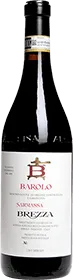
Brezza : Sarmassa 2015

Out of stock
Would you wish to know when this product is back in stock?
Let's talk about this product!
A pairing in mind? A question about the vintage? Comparison with another product? Find the answers here...
Description
Tasting Notes and Serving Tips for Brezza’s Sarmassa 2015
Tasting
Appearance
The wine displays an intense, bright ruby-garnet hue.
Nose
The bouquet is complex and elegant, revealing aromas of ripe dark fruit such as black cherry and blackberry, complemented by delicate floral notes of violet and wild rose. Subtle spicy nuances mingle with hints of new leather, camphor, and pipe tobacco, while a distinctive minerality and touches of licorice add further depth to the aromatic profile.
Palate
On the palate, the wine charms with its mineral freshness and tangy character, bringing clarity and definition. The fruit expression unveils notes of fresh black cherry, purple plum, and violet, alongside crisp wild red berries. The tannins, slightly firm yet refined, offer a fine texture that structures the wine without aggression. The finish lingers gracefully, revealing subtle touches of tonka bean and mocha.
Food and Wine Pairing
This Barolo pairs ideally with generous red meats such as ribeye steak, bone-in beef rib, or venison stew. It also matches beautifully with traditional Piedmontese dishes such as osso buco, brasato in red wine, or tajarin with beef ragù. Stuffed pastas like agnolotti del plin also make an excellent pairing with this wine. Mushroom or truffle risottos create remarkable harmony, as do aged cheeses such as Castelmagno, aged pecorino, or Parmigiano-Reggiano.
Serving and Cellaring
This Sarmassa 2015 can be enjoyed now with prior decanting, but will continue to evolve favorably until around 2045, or even 2050 depending on storage conditions. It is recommended to serve it at a temperature between 16 and 18°C.
An Elegant, Mineral Barolo from the Sarmassa Cru in Piedmont
The Estate
Founded in 1885 in Piedmont, the Brezza estate oversees 22 hectares of vineyards located within the Barolo appellation. Now run by Enzo Brezza, a fourth-generation winemaker, and his cousin Francesco, this family-owned property stands out for its rigorous traditionalist approach and its early environmental commitment, with organic certification obtained in 2015. The estate owns parcels in three major historic crus: Cannubi, Sarmassa, and Castellero. Its philosophy is based on minimal intervention in both the cellar and the vineyard, favoring the authentic expression of terroir through classic methods, notably aging in large Slavonian oak casks and the use of indigenous yeasts.
The Vineyard
The Sarmassa vineyard is located in the commune of Barolo, benefiting from a south-west exposure that encourages generous sunshine throughout the growing season. The soils are composed of Sant’Agata fossil marls, with a high proportion of clay and silt, complemented by numerous stones that limit vine vigor. This specific composition enables the vines to react quickly to climatic variations and encourages optimal grape ripening. The Brezza estate’s parcels extend over around one hectare, planted with vines established between 1941 and 2000, grown in nebbiolo. Situated at 300 meters above sea level, these vines benefit from a microclimate particularly favorable to the expression of the Barolo terroir.
The Vintage
The year 2015 in Piedmont began with a mild winter followed by early budbreak. Flowering occurred within normal timeframes despite the high spring temperatures. Summer was marked by hot, dry conditions, especially in July, when temperatures regularly exceeded 30°C with minimal rainfall of around 30 millimeters. These conditions particularly favored terroirs rich in clay and silt such as Sarmassa, whose water-retention capacity helped avoid excessive water stress and ensured steady, balanced grape ripening. The 2015 vintage thus produced wines of remarkable quality, reflecting the excellence of vineyard work in these privileged sites.
Winemaking and Aging
The Sarmassa 2015 grapes are harvested by hand, with a rigorous selection of the best clusters directly in the vineyard. After selective destemming and gentle pressing, fermentation takes place spontaneously thanks to indigenous yeasts, at a controlled temperature between 24 and 26°C. Maceration lasts 15 to 18 days, with regular rack-and-return and pump-overs to progressively extract noble polyphenolic compounds. Malolactic fermentation takes place in stainless steel or concrete tanks. The wine is then aged for 24 months in large Slavonian oak casks ranging from 1,500 to 3,000 liters, then transferred to concrete tanks for an additional 8 months with several rackings. Bottling is carried out without fining or filtration, followed by one year of bottle aging before release.
Grape Variety
100% nebbiolo.