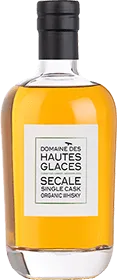
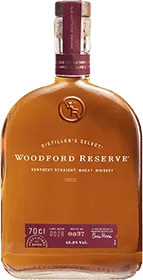
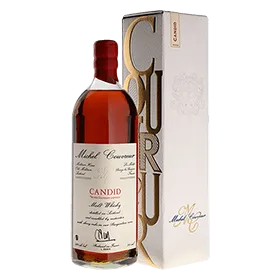
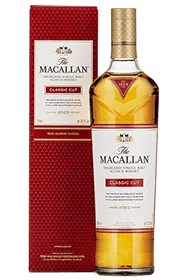
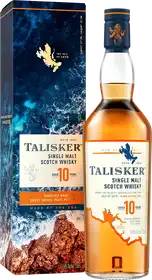
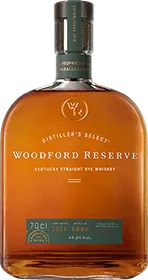
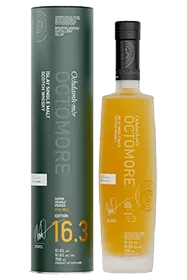
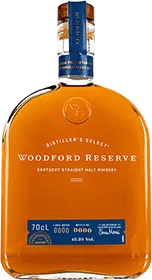
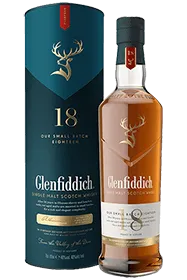
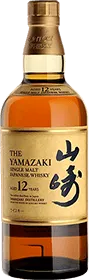
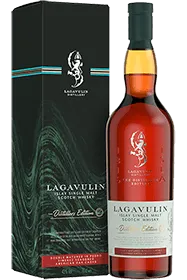
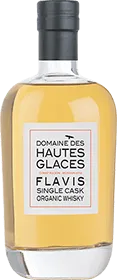
Fine spirits enthusiasts, let yourself be guided through the fascinating world of whisky. Here is a comprehensive guide to help you understand and appreciate this multifaceted grain spirit.
What is a whisky?
Definition
Whisky is an alcoholic beverage obtained by distilling grains, primarily barley, but also corn, rye or wheat. Its name comes from the Gaelic "uisce beatha", meaning "water of life".
This spirit holds a prominent place, prized for its rich heritage, its complexity as well as its character derived from several years of ageing in oak casks, a process that imparts aromatic richness and a distinctive colour.
History and origins
The exact origin of whisky remains unclear, with some claiming that the Irish initiated its production in the 12th century, while others point to Scotland. Although the first distillations were carried out by monks to produce medicines, it was not until the 18th century that production became industrial, evolving through the centuries and gaining refinement and worldwide recognition.
The raw materials
The base of whisky rests on corn, rye, wheat and primarily barley, often malted, which is the most commonly used grain. Water, preferably soft and pure, plays a key role in fermentation.
The first step of production consists of mixing crushed barley grains with hot water to create a blend known as mash. This process releases the sugars contained in the grains. The mixture is then cooled and inoculated with yeasts to begin fermentation.
The production process
Whisky production is divided into several stages: malting, fermentation, distillation, ageing and bottling.
During malting, barley is soaked and germinated to release the starch, which will then be converted into alcohol during fermentation. Distillation, double in Scotland and triple in Ireland, concentrates the alcohol and the flavours. The first distillate drawn from the still is called lead whisky. It is during ageing in oak casks, for a period of more than three years, that aromatic complexity is achieved.
After fermentation, the liquid is distilled. Ageing in oak casks lasts at least three years. Ageing in wood allows the aromas to be refined and the taste to be softened.
The different types of this spirit
Single Malt
This type of whisky is produced within a single distillery. Made from water and malted barley, it is distilled in pot stills and aged in oak casks for at least three years. Single Malt stands out for its complexity and diversity, with each distillery bringing its own unique characteristics.
Blended Malt
Blended Malt Whisky, also known as "Vatted Malt", is a blend of several Single Malts from different distilleries. Its complex balance of flavours is the signature of the Master Blenders, who make all the difference by skilfully combining the various whiskies.
Single Grain
Produced in a single distillery from several types of grains other than barley, Single Grain is appreciated for its smoothness and purity on the palate.
Blended Grain
The result of a blend of several Single Grains from different distilleries, Blended Grain Whisky is often used in cocktails for its smoothness and versatility.
Blended
Accounting for the majority of whisky sold around the world, Blended Whisky is a blend of several types of whiskies from different distilleries. This spirit is the expression of harmony between smoothness and complexity.
A spirit crafted across borders
Scotch Whisky
Also known as "Scotch", Scotch whisky is undoubtedly the most famous of all whiskies. It stands out for its double distillation process and for the exclusive use of malted barley in Single Malt. Scotland has several whisky-producing regions, including Speyside, the Highlands, the Lowlands, Islay and Campbeltown, each with its own style and distinctive features.
Irish Whiskey
This "whiskey" is distinguished by a triple distillation process that gives it smoothness and roundness. Two styles of whiskey are typical of Ireland: Single Pot Still Whiskey, made from a blend of malted and unmalted barley, and Pure Pot Still Whiskey, made exclusively from unmalted barley.
American Whiskey
Characterised by a single distillation and the predominant use of corn, this American whiskey comes in several forms, namely Straight Whiskey, Bourbon, Rye Whiskey and Tennessee Whiskey.
Japanese Whisky
Mainly produced from malted barley and following a single distillation method, Japanese whisky has experienced meteoric growth in recent years, recognised for its finesse and refinement.
While historically Japanese whiskies could partly originate from other countries (Scotland, United States, Ireland, etc.), since April 2021, under the initiative of the Japan Spirits & Liqueurs Makers Association, any Japanese whisky must be mashed, fermented, distilled, aged (a minimum of 3 years) and bottled exclusively in Japan.
French Whisky
The origin of French whisky dates back to the 1980s, when certain cognac distilleries began experimenting with malt distillation. As in America, single distillation is the technique most commonly used in France to produce whisky. This makes it possible to create a smooth and fruity spirit that reflects French terroirs. French whisky owes its uniqueness to its innovative use of French oak for ageing. Some producers even use casks that previously held wine or cognac, bringing additional complexity and aromatic richness to the whisky.
Australian Whisky
Australia, renowned for its wines, has recently ventured into the world of whisky. Local distilleries, which emerged in the 1990s, favour single distillation in order to preserve the richness of malty aromas. Australian whisky stands out for its many unique expressions, ranging from rich and deep single malts to light and floral grain whiskies. The Australian climate, warmer than that of Scotland, allows for faster maturation of the whisky, giving these spirits highly prized notes of ripe fruit and toasted oak.
How to enjoy it properly?
Serving tips
Tasting this spirit is a moment of pleasure to be enjoyed with finesse. To fully appreciate its aromas, opt for a tulip-shaped glass or a Glencairn glass, specifically designed for tasting. They allow for better concentration of aromas and make them easier to identify.
Is it necessary to add water to whisky?
By adding a few drops of water, you can "open up" the whisky, meaning release certain aromatic compounds that may be masked by the alcohol. That said, it depends on individual preference and the strength of the spirit.
What is whisky "on the rocks"?
Tasting on ice offers a unique experience. By softening the power of the alcohol, chilling reveals other aromatic nuances.
However, too much ice can dilute the spirit and weaken its flavours. This type of serving is generally recommended for lighter whiskies.
Food and whisky pairings
The aromatic richness of whisky allows it to pair with many dishes. Ideal as an aperitif, it can also be enjoyed with blue-veined cheeses, dried fruits, dark chocolate or smoked salmon.
Mixology
Whisky also finds its place in the composition of many cocktails, from the famous Old Fashioned to the Whisky Sour, offering a new dimension to this noble spirit.
Glossary
Lead Whisky (or "whisky de tête" in French): This is the first distillate to come out of the still during the whisky distillation process. It is characterised by a very strong taste in alcohol and volatile aromas, and is often separated from the rest of the distillate to be distilled again or used for industrial purposes.
Mash: The mash is a mixture of crushed grains (generally barley) and water, which is used as the base for fermentation. The mash is heated to release the sugars contained in the grains, then cooled and inoculated with yeasts to begin fermentation.
Whisky/Whiskey difference: The difference between whisky and whiskey lies mainly in the country of origin and the production process. Whiskey is generally associated with Ireland and the United States.
Single Cask: Single Cask (or Single Barrel) is a type of whisky that is bottled from a single cask (or barrel) of whisky. This means that each bottle possesses taste and aroma characteristics that are specific to that particular cask. Often regarded as being of great quality, this whisky allows enthusiasts to discover unique flavours and aromas that can only be obtained from that specific cask.
Cask strength/barrel proof/barrel strength: Literally "at the strength of the cask", a term that designates a whisky that is unreduced, at its natural strength as it comes out of the cask and not chill-filtered. These are of course more powerful drinks with higher alcohol levels.
Age/Year: It is the youngest whisky in the blend that gives the whisky its age. When a whisky is vintage-dated, the age corresponds to the difference between the date of distillation and the date of bottling.
Cask Finish: A term used to describe an ageing process in which the whisky is transferred into a cask that previously held another type of spirit, such as sherry or port, for an additional period of maturation. This provides added flavour and complexity derived from the wood and the flavours of the original cask.