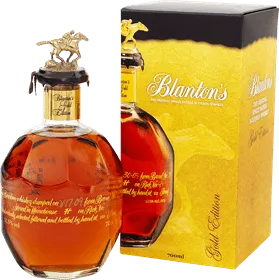
American whiskey embodies the pioneering spirit of European settlers who, as early as the colonial era, adapted their expertise to the resources of the New World. Thanks to local grains, particularly corn, they gave rise to distinctive styles such as bourbon and rye whiskey.
A history and heritage spanning centuries
This type of spirit traces its roots back to the colonial era, when settlers, particularly from Scotland and Ireland, brought their distillation techniques to the lands of the New World. By adapting their methods to local grains, these pioneers discovered the exceptional qualities of corn, an abundant crop in America.
Its history is marked by innovation and resilience. During the 18th and 19th centuries, distilleries multiplied, mainly in the states of Kentucky and Tennessee, establishing unique regional styles. Despite the challenges posed by Prohibition (1920–1933), which nearly destroyed the industry, production later rebounded thanks to the expertise and passion of its producers. Today, legendary brands and contemporary craftsmen continue this legacy by reinventing classics while respecting tradition.
The production of American whiskey is governed by strict regulations that guarantee its authenticity. For example, to be classified as bourbon, whiskey must be produced in the United States, from a mash containing at least 51% corn, distilled to no more than 80% alcohol, and aged in new charred oak barrels. Tennessee whiskey, a specific subcategory, requires an additional step of charcoal filtering before barreling, giving it a characteristic smoothness.
A meticulous production process rooted in centuries of tradition
The crafting process relies on key steps that ensure spirits rich in character and flavor.
Grain selection
The base of these whiskeys is a blend of grains known as a mash bill. Bourbon, for example, requires at least 51% corn, often complemented by rye, wheat, and malted barley. This composition directly influences the whiskey’s aromatic profile, bringing sweet, spicy, or rounded notes.
Fermentation
The grains are mixed with water to form a mash. Specific yeasts are then added to trigger fermentation, converting sugars into alcohol. This stage, which generally lasts several days, is crucial for developing the distinctive aromas of the future whiskey.
Distillation
The fermented liquid is distilled in column stills or pot stills, depending on the style and local traditions. Distillation concentrates the alcohol and aromatic compounds. Most whiskeys are distilled to a maximum of 80% alcohol in order to preserve intense flavors.
Aging
The whiskey is then transferred into new, charred barrels, a requirement especially for bourbon. This time in wood plays an essential role: it imparts notes of vanilla, caramel, and sometimes smoke, while softening the alcohol. The whiskey must be aged for at least two years, but many producers opt for much longer periods to refine their product.
The different types of American whiskeys
Each whiskey reflects a distinct identity, born from unique expertise that blends terroir, innovation, and respect for ancestral techniques.
The essential Bourbon Whiskey is based on at least 51% corn, complemented by rye, wheat, and malted barley. It can be produced anywhere in the country and distilled to a maximum of 80% alcohol, then aged in new charred American white oak barrels, giving it characteristic aromas of vanilla, caramel, and toasted notes. Note that "Straight Bourbon" must be aged for a minimum of two years.
Tennessee Whiskey, while similar to bourbon with its minimum of 51% corn, stands out thanks to its specific filtration process, the Lincoln County Process. Through this technique, the whiskey is filtered through maple charcoal, giving it incomparable smoothness, enhanced by flavors of caramel and vanilla following aging in new charred American white oak barrels. Produced exclusively in the state from which it takes its name, this type of whiskey appeals with its finesse and elegance.
Rye Whiskey, on the other hand, is aimed at lovers of bold flavors. Made with a majority of rye (at least 51%) complemented by corn and malted barley, it develops a spicy, peppery profile, enhanced by notes of cinnamon, clove, and dried fruits. Drier than bourbon, it offers a long, intense finish, perfect for classic cocktails such as the Manhattan. This whiskey, often associated with the northeastern United States (Pennsylvania, Maryland), embodies a fuller-bodied and more dynamic style.
Finally, Corn Whiskey represents the most rustic and traditional style. Composed of at least 80% corn, it may be unaged or matured in used or uncharred barrels. When unaged, it often appears clear, earning the nickname "Moonshine." This smooth and sweet spirit reflects the heritage of pioneering distillers in the southern United States, particularly in Kentucky and Tennessee, but can also be produced anywhere in the United States.
Each of these whiskeys tells a unique story and embodies a facet of the rich American tradition, appealing to a wide range of spirits enthusiasts around the world.
Iconic distilleries
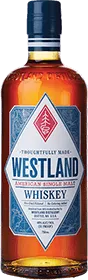
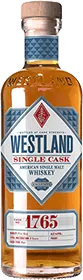
Westland Distillery
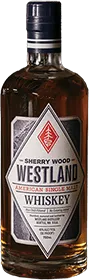
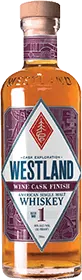
Located in Seattle, Washington, Westland Distillery is a pioneer of American single malt. Founded in 2010, it emphasizes sustainable and local production, using grains sourced exclusively from the northwestern United States. Inspired by Scottish traditions, the distillery innovates with unique aromatic profiles, incorporating a variety of casks and local yeasts. Westland’s whiskeys stand out for their notes of chocolate, toasted malt, and dried fruit, reflecting the singular identity of their terroir.
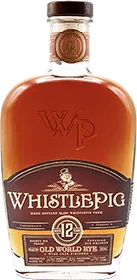
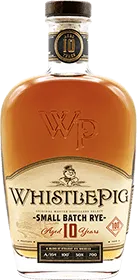
Whistlepig
Nestled in the green countryside of Vermont, Whistlepig is a leading reference in rye whiskey. Founded in 2007, the distillery excels in the art of producing rye-based spirits. Whistlepig also innovates with aging in custom casks or former wine barrels, adding remarkable depth to its whiskeys. Renowned for its balance of spice, fruit, and caramel, Whistlepig’s rye whiskey is a celebration of American craftsmanship.
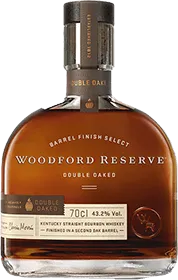
Woodford Reserve
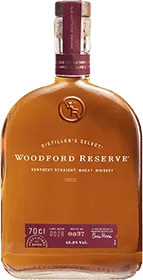
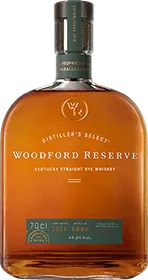
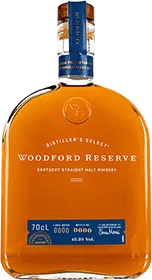
Located in Kentucky, Woodford Reserve is an icon of American bourbon. Founded in 1812, it is one of the oldest distilleries in the country. Woodford Reserve stands out for its triple distillation process and aging in carefully selected American white oak barrels. The result is a rich and complex bourbon, with notes of vanilla, caramel, nuts, and spices.
From rich and rounded bourbon to bold and spicy rye or rustic and authentic corn whiskey, each style tells a unique story. American whiskeys, crafted through meticulous processes and supported by strict regulations, captivate with their diversity and character. A true ambassador of its terroir, American whiskey continues to win over enthusiasts around the world, symbolizing the cultural and artisanal richness of the United States.