Assistant



 Guaranteed provenanceDirect from the estates
 DeliveryFree standard delivery from $1,000 purchase
 Secure PaymentVisa, American Express, Mastercard...
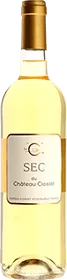
Château Closiot : Bonneau 2019
Only 2 available
Pre-arrivals - Stock in France
Let's talk about this product!
A pairing in mind? A question about the vintage? Comparison with another product? Find the answers here...
Description
Tasting characteristics and advice for Bonneau 2019 from Château Closiot
Tasting
Color
The wine reveals a golden hue with amber highlights.
Nose
The nose opens with a delicate floral bouquet reminiscent of rose and jasmine, accompanied by notes of dried mushrooms and yellow-flower honey. With aeration, aromas of roasted apricots, peach and mirabelle plum tart emerge, enhanced by touches of candied citrus marmalade, camphor and bergamot oil. The bouquet is completed by nuances of kumquat zest, gray pepper and candied ginger.
Palate
The attack is smooth and caressing, revealing a rich, liqueur-like sweetness immediately balanced by lively, electrifying acidity. The silky texture coats the palate as flavors of candied fruit and quince paste develop, alongside citrus notes reminiscent of tangy lemon candies and fresh ginger. The finish remains vibrant and mouthwatering, driven by the freshness of ginger and a persistent acidity that gives the wine remarkable length.
Food and wine pairings
This Barsac pairs beautifully with pan-seared foie gras and spices. It also goes well with fruit-based desserts such as pear tart, pineapple carpaccio, or preparations featuring white fruits. Blue cheeses such as Roquefort or Bleu d’Auvergne make classic pairings. For a bolder match, this wine elevates spice-roasted poultry—especially duck or goose—as well as a creamy poultry stew with wild mushrooms.
Serving and cellaring
It is recommended to open the bottle around 20 minutes before serving to allow Bonneau 2019 to fully express itself. The ideal serving temperature is between 10 and 12°C.
A concentrated, taut Barsac from Château Closiot
The estate
Established in 1988 with the SCEA Château Closiot, this Bordeaux estate located in Barsac, 35 kilometers southeast of Bordeaux, farms 8 hectares of vineyards. A former farmstead of Château Coutet in the 19th century, recognizable by its crenellated tower, the estate stands out for its limestone terroirs that favor the production of sweet wines that are both concentrated and taut. Since 2017, the estate has been run by Jean-Marie Guffens, a renowned Burgundian winegrower who brings his expertise and a winemaking philosophy that respects the terroir.
The vineyard
The Château Closiot vineyard stretches across clay-limestone soils characteristic of the Barsac appellation, made up of limestone plateaus interspersed with red soils and quartz pebbles. This distinctive geological composition gives the wines their hallmark minerality and remarkable tension. The vines average 49 years of age, with some century-old parcels. Proximity to the Garonne creates a microclimate favorable to the development of noble rot, with morning mists followed by sunny afternoons. The vineyard is planted predominantly to Sémillon (90%), complemented by 5% Sauvignon Gris and 5% Muscadelle.
The vintage
The 2019 vintage proved particularly demanding for Barsac winegrowers. After a mild winter, the season was marked by exceptionally high temperatures, with heatwaves in late June and late July. These hot conditions delayed the development of noble rot, essential to the production of great sweet wines. The turning point came in October when, after three days of intense heat, botrytis developed rapidly on the grapes. This late but concentrated evolution required heightened vigilance during harvest to capture the berries at the optimal moment of aromatic concentration.
Winemaking and aging
Bonneau 2019 is harvested by hand in several successive passes, with 4 to 6 selections allowing only the most botrytized grapes to be picked. The bunches are pressed in small, traditional vertical presses. Fermentation takes place in oak barrels, around 50% new, complemented by barrels that have held one to three wines. No settling or sulfiting is carried out before fermentation, which starts spontaneously thanks to indigenous yeasts. Fermentation is naturally stopped through temperature control. The wine is then aged for around a year in barrels before being transferred to concrete tanks for extended maturation, preserving its freshness until bottling.
Grape varieties
Sémillon (90%), Sauvignon Gris (5%), Muscadelle (5%).