Assistant



 Guaranteed provenanceDirect from the estates
 DeliveryFree standard delivery from $1,000 purchase
 Secure PaymentVisa, American Express, Mastercard...
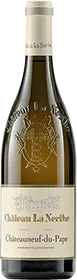
Château La Nerthe : Clos de Beauvenir 2000
Pre-arrivals - Stock currently at the producing estate - Available to ship after 14/10/2026
Let's talk about this product!
A pairing in mind? A question about the vintage? Comparison with another product? Find the answers here...
Description
Tasting Characteristics and Advice for Château La Nerthe Clos de Beauvenir 2000
Tasting Notes
Appearance
This wine reveals a bright yellow hue, enhanced by golden glints and subtle green highlights.
Nose
Intense and expressive, the bouquet reveals aromas of white fruit intertwined with notes of honey and spice, which grow more mellow with time.
Palate
The palate stands out for its roundness and richness. It is dense and complex, underpinned by a lovely freshness that brings the whole into harmonious balance.
Food and Wine Pairings
This white wine pairs beautifully with rich, flavourful rock fish such as sea bass or red mullet. It also goes wonderfully with poultry in cream sauce, mushroom dishes, or pressed cheeses such as Comté and Beaufort.
The Elegance and Complexity of a Châteauneuf-du-Pape White Wine
The Estate
Founded in 1560, Château La Nerthe is a historic estate located in the Rhône Valley. Acquired in 1985 by the Richard family, its current owners, the estate has been run by Rémi Jean since 2020. It stands out for its single, unbroken vineyard block and its pioneering approach, having been certified organic as early as 1998. The estate favours precision viticulture, showcasing the diversity of its soils and the quality of its grapes to express the authenticity of its terroir.
The Vineyard
The Châteauneuf-du-Pape vineyard surrounds the estate. The vines benefit from a very sunny Mediterranean climate, regularly swept by the mistral. The terroir consists of sandy and clay soils, covered on the surface by the iconic rolled pebbles that store heat. The historic clos from which this wine originates lies at the foot of the château. The whole vineyard is farmed organically, without herbicides, with meticulous soil work, low yields and hand-picked harvests.
Winemaking and Ageing
The winemaking process is carried out with great care. After rigorous manual sorting, fermentation takes place in barrels (a third of which are new) for around thirty days. The wine is then racked and aged on fine lees in barrels for seven to eight months, with regular lees stirring to develop its texture and aromatic complexity.
Grape Varieties
The blend is predominantly made up of Roussanne, complemented by Clairette and Grenache Blanc (Bourboulenc may also feature in the blend depending on the vintage).