Assistant



 Guaranteed provenanceDirect from the estates
 DeliveryFree standard delivery from $350 purchase
 Secure PaymentVisa, American Express, Mastercard...

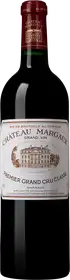
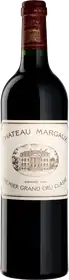
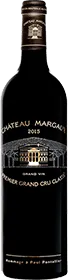
Château Margaux 2001
Stock in Singapore
Let's talk about this product!
A pairing in mind? A question about the vintage? Comparison with another product? Find the answers here...
Description
A Margaux wine combining balance and delicacy
The estate
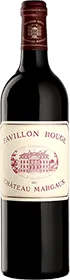
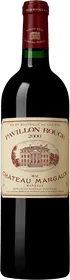
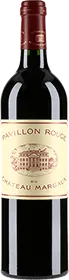
With origins dating back to the 12th century, the Château Margaux is one of those Grand Crus that have built the legend of great Bordeaux wines around the world. The château was awarded the title of Premier Grand Cru Classé in 1855 and was the only one of the four châteaux presented to have received a score of twenty out of twenty. With the acquisition of the estate by André Mentzelopoulos in 1977, Château Margaux writes a new page in its history. Raising the Grand Vin de Château Margaux to the highest level, he reintroduced the Second Wine of the château, Pavillon Rouge du Château Margaux, initiated in 1908. Following in her father's footsteps due to his premature death, Corinne Mentzelopoulos took up the family banner with energy and passion to maintain the rank of Château Margaux, which has become a Bordeaux masterpiece, so recognizable by its neo-Palladian style. Vintage after vintage, the estate's wines are among the greatest wines in the world.
The vineyard
The vineyard of Château Margaux owes its uniqueness to its rare and unique terroir, located on a gravel mound. The estate's grape variety gives pride of place to cabernet sauvignon, not forgetting merlot, petit verdot and cabernet franc. The clay-limestone soils of the estate give birth to legendary wines, with a sleek and sensual style, so representative of the Margaux appellation.
Blend
Cabernet sauvignon, merlot, petit verdot, cabernet franc.
Characteristics and tasting advice for Château Margaux 2001
Tasting
This vintage is quite close to the 1999, being both very fine and having a tannic texture combining tenderness and harmony. This wine already provides a lot of pleasure in its youth, already proving harmonious, with perfectly ripe grapes. Fresh and with pure fruity aromas in its youth, or with a finer and more developed bouquet as it ages, this Château Margaux 2001 is a true wine of pleasure that presents a splendid aging potential as well as a formidable balance.