Discover your 100% Free Loyalty Programme | Discover
TrustMark
4.71/5
unchecked wish list
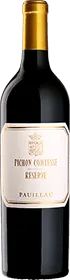
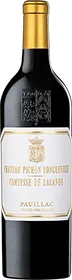
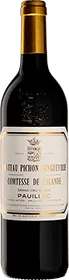
Château Pichon-Longueville Comtesse de Lalande 1996
3 pictures
3 pictures

Château Pichon-Longueville Comtesse de Lalande 1996

2e cru classe - - - Red - See details
Parker | 97
J. Robinson | 17.5
Wine Spectator | 92
Decanter | 95
R. Gabriel | 19
Vinous - A. Galloni | NM96
The Wine Independent | 97
Vinous Neal Martin | 96
out of stock
Out of stock

Would you wish to know when this product is back in stock?

  • Delivery
    DeliveryFree standard delivery from $350 purchase
    Right arrow icon
  • Delivery
    DeliveryFree standard delivery from $1,000 purchase
    Right arrow icon
  • Guaranteed provenance
    Guaranteed provenanceWines sourced directly from the producing estates
    Right arrow icon
Marks and reviews

96

/100

Robert Parker

Robert M. Parker, Jr.

The 1996 Pichon-Lalande is just as awesome from bottle as it was from multiple cask tastings. For Pichon-Lalande, the percentage of Cabernet Sauvignon is atypically high. This wine normally contains 35–50% Merlot in the blend, but the 1996 is a blend of 75% Cabernet Sauvignon, 15% Merlot, 5% Cabernet Franc, and 5% Petit Verdot. Only 50% of the estate’s production made it into the grand vin. The color is a saturated ruby/purple. The nose suggests sweet, nearly overripe Cabernet Sauvignon, with its blueberry/blackberry/cassis scents intermixed with high-quality, subtle, toasty new oak. Deep and full-bodied, with fabulous concentration and a sweet, opulent texture, this wine was singing in full harmony when I tasted it in January. Given the wine’s abnormally high percentage of Cabernet Sauvignon, I would suspect it will shut down. It possesses plenty of tannin, but the wine’s overwhelming fruit richness dominates its personality. Anticipated maturity: 2004–2025.

95

/100

Decanter

I have had better bottles of this particular vintage from Pichon Comtesse, and in this lineup the Pichon Baron is the one that stood out, but this is still a brilliant wine and is rightly considered to be among the best of the vintage. Full of concentrated blackberry and blackcurrant fruits, with sweet cedar and saffron spice notes as it opens, gentle liquorice root and charred oak on the finish. A higher proportion of Cabernet Sauvignon in the bottle than in most years (certainly at the time), and it has helped it to remain enticingly firm. 50% of production went into the first wine.

18

/20

Jancis Robinson

Julia Harding MW

75% Cabernet Sauvignon, 15% Merlot, 5% Cabernet Franc, 5% Petit Verdot – high percentage of Cabernet Sauvignon because this year they found the body and silkiness, usually contributed by Merlot, in the Cabernet parcels. My favourite wine of this tasting. Highly perfumed – floral, herbal and cassis, but also some dark sweetness and very little tertiary aroma. Inviting. Complex and ripe. Dry, fine and so fluid. Scented mid palate and very good length. Very straight and ‘in the centre of your mouth’. Elegant and fresh and lively. More life to come than the 1998. ‘Very Pauillac and very Pichon,’ says winemaker Thomas Dô Chi Nam. Mineral. Finishes fresh and long with fine tannin friction. Long, though the finish is delicate. Later: coffee aroma. Delicious. (JH)

96

/100

Vinous

Neal Martin

The 1996 Pichon-Lalande has long been one of my favorite wines from this period. A blend of 75% Cabernet Sauvignon, 15% Merlot, 5% Cabernet Franc and 6% Petit Verdot, it has a quintessential Pauillac nose: very intense, brilliant and delineated, with pure blackberry, graphite and mint aromas bursting from the glass. The palate seems to have softened just a little over the last couple of years, and there is great depth here. Dense black fruit, laced with cedar, hints of espresso and leather, fans out toward the grippy finish, which is just beginning to entertain more secondary aromas of sage and spice on the aftertaste. In many ways the '96 presages the style of wine that Nicolas Glumineau pursues today. Brilliant. Tasted at a vertical tasting at the château.

97

/100

Jeff Leve

Leve Jeff

At probably full maturity, this is a gorgeous Pauillac. Rich, supple, and concentrated, you find a wealth of dark currants, tobacco leaf, cigar box, spice, blackberry, peppery herbs, and leather on the nose. The palate is even better with its silky textures, length, and soft, luscious, earthy, tobacco-tinged fruits that linger. Popped and poured, it showed great from the get-go.

19

/20

René Gabriel

97: Barrel sample (18/20): powerful, expansive Pauillac Cabernet bouquet, lots of cassis, blueberries, gentle floral spice. Mouth-filling, supple palate, highly aromatic, with bewitching ripeness in the cuddly-feeling tannins. An early-charmer. In May 1997, retasted at the Château: did I underrate it? Other wine journalists are praising it to the skies. Somehow I’m missing power and depth. The nose has plenty of drive, likely coming from very old Merlot vines, but on the palate it could be a bit more concentrated to deserve all those (over?) high scores. I’m staying (for now) at 18/20. 00: Tasted on two occasions. Corked both times! Is a similar problem brewing here as back then with Pichon-Lalande 1986? 03: On the bouquet as well, surprisingly young, still reductive, fairly concentrated. On the palate, for a Pi-Co-La surprisingly strong, almost muscular, still showing good reserves and thus waiting for effective drinking maturity. (18/20). 05: Delicate, magnificent bouquet, mahogany notes, rock candy, black tea, very noble, deep terroir and smoky notes; on the second nose, fine herbs and even traces of fresh eucalyptus, currants, dried bananas. Textured, elongated palate, silky yet muscular tannins, mulberries, enormous concentration, still carries huge potential within and will certainly one day be among the great 1996s in the Médoc. Since the first barrel tastings, it has rather gained. (06: Spicy bouquet, green bell pepper, licorice, gently grassy, licorice; builds with air and shows much finesse on the nose. Juicy, very finely woven palate, silky tannins, black-berried fruit and again a slightly underripe Cabernet tone, behind it lots of reserves, powerful, very long-lingering finish. Despite its size, it will always show a slightly cool aura. (19/20). 07: Medium garnet, little maturity tones. Deeply spicy bouquet, smoky notes, currants, tar, Havana tobacco, dried prunes, graphite, cedar, unbelievably intense. Juicy, elongated palate, the tannins are almost integrated and the astringency supports finely, giving flesh to the muscles, dark caramel on the finish. Here finesse, power, terroir and an impressive vinification come together! 09: At first maturity, rarely has a Pichon-Lalande been so dense and shown so much drive on the finish. 09: An Impériale: a bit too early and yet not a pity. Drunk on its own, it still showed cuddly reserves, but as soon as we ate something with it, the wine adapted beautifully! So definitely first drinking pleasure. (19/20). 11: Medium garnet. Brilliant, lavishly sweet bouquet, cassis notes and a hint of spicy geraniol, rock candy, shows open and spontaneous. Juicy palate, a dance between red and blue berries, supple and with a homogeneous, dreamily balanced flow. You have to be careful not to empty the glass in one go without restraint. (19/20). 12: A gigantic Impériale bottle in Zurich at the Zunfthaus zur Waage. Exuding a sweet sensuality, caramel. Delicate tannins, perfumed, rock candy notes on the intoxicating finish. The wine almost drinks itself. (19/20). 14: Magnum. Dark wine-red, no signs of maturity yet. The bouquet smells of blackberries and comes with a refreshing touch of lemon balm, licorice and black pepper. On the palate meaty, concentrated, still showing reserves. Probably in an initial and then very long drinking window. Shows a lot of typical Pauillac character overall. (19/20). 15: Magnum. Dark with the first, fine maturity tones at the rim. Incredibly sweet, plummy bouquet, sandalwood, dark pralines, wavering between end-fruit and rising terroir. Creamy, velvety on the palate, rich flow with many, round tannins, the finish continues opulently, extremely persistent. Belongs among the great Pichon-Lalandes and presents itself rather classically, thus relying on Médoc terroir. (19/20). 16: Magnum. Dark, slightly matte purple-garnet, saturated core. Extreme cedar bouquet, graphite note, beer malt, and licorice. So very dark-spicy, gently dry yet showing remarkable depth. On the second approach, beautiful roast notes and, with its cereal note, reminiscent of Graham bread, constantly revealing new aromatic layers. Very textured on the palate, very dense and still slightly crumbly, with demanding extract. Shows a brilliant yet still reserved Cabernet aromatics. With food pairing it will certainly offer a first great pleasure. The wine was poured from magnums and I wonder if it wouldn’t currently taste better from standard bottles. This will be a classic Pichon-Lalande, with less sex appeal than other great vintages. Uncork slowly and set aside a few bottles. (19/20). 16: Deep, dark wine-red. Spicy, concentrated bouquet, lots of cedar, black pepper, initial opening and showing a great Pauillac. It seems more open than the magnums we tasted the day before. Textured, finely meaty and tightly knit on the palate with very elegant tannins, well balanced and showing sensational prospects for the coming years. The first maturity can be surmised and is near; the general potential extends for a good 30 years. (19/20). 16: Malt, caramel and dark berries. That makes endless fun! (19/20). 21: Medium purple-garnet. Compact, deep bouquet with plums, blackberry jelly, Arabica coffee and dark fine woods. Intense at the beginning, but then steadily gaining. Meaty on the palate, firm extract, concentrated, balanced, ripe astringency, lasting finish. It is at first maturity and guarantees at least another 30 years of pleasure. Recommendation: decant for two hours. (19/20). 21: The color is already quite brightening, still wine-red inside, relatively transparent outside. Brilliant bouquet, blackcurrants, lots of cedar scent, pepper powder, bread crust, fine herb and also terroir notes. Presents itself very multi-layered and is incredibly pleasing on the nose. Medium-weight on the palate, well balanced and with juicy flow. You find licorice but also a fine, minimally green-tinged touch, highly aromatic finish. This is a wine you can now enjoy without restraint. And still it is/would be no problem to keep it for another ten years. Enjoy without decanting. (19/20).

97

/100

The Wine Independent

Lisa Perrotti-Brown

The 1996 Pichon Lalande is deep garnet-brick in color. It starts off a little closed, slowly revealing notes of warm cassis, stewed plums, unsmoked cigars, and crushed rocks, giving way to nuances of smoked meats and black truffles. The medium-bodied palate is pure, precise, and energetic, featuring elegant, fine-grained tannins and bags of freshness, finishing long and mineral-laced. Still very youthful, this wine should easily cellar another 15-20 years.

94

/100

La RVF

Atypical, with an unusual proportion of cabernet-sauvignon, this 1996 shows a structure of evident class.

91

/100

Jean-Marc Quarin

Jean-Marc Quarin

Dark, evolved color. Intense, aromatic nose with a dominance of ripe fruit. However, as it evolves in the glass, a less ripe note appears, hinting at a bygone past. The palate is long-limbed, with a polished texture and here and there a return of red pepper and spice nuances. It’s very good with pork rack, as it offsets a slight lack of ripeness. Medium length. Drink without delay.

Description

A fruity and delicate red wine from Pauillac

The property

Second Grand Cru Classé of Pauillac, the magnificent Château Pichon-Longueville Comtesse de Lalande shines in the Pauillac appellation.

It was in 1925 that the Miailhe family, under the guise of Édouard and Louis Miailhe, acquired this property on the left bank of Bordeaux. An emblematic figure of Gironde viticulture, May-Eliane de Lencquesaing, daughter of Edouard Miailhe, ran the Château Pichon-Longueville Comtesse de Lalande from 1978 to 2007, the date of the estate's acquisition by the Rouzaud family, owners of the Champagne House Louis Roederer.

The vineyard

A reference among the wines of Pauillac, the Château Pichon-Longueville Comtesse de Lalande oversees a vineyard located near the Gironde estuary and resting on soils composed of gravelly hills on sandy-clay subsoils.

The vintage

The winter is mild and not very rainy. The mildness of March and April gives way to a June whose coolness and humidity cause some coulure. Warm, the summer is punctuated by rainy episodes in the second half of August. Cool but sunny, September promotes the slow and homogeneous maturation of the berries, especially cabernet sauvignon, until the harvests begun on September 24th.

Blend

Cabernet sauvignon (75%)
Merlot (15%)
Cabernet franc (5%)
Petit verdot (5%)


Characteristics and tasting advice for Château Pichon-Longueville Comtesse de Lalande 1996

Tasting 

Throughout the tasting, this wine reveals its subtle alliance between power and elegance, through a full body and perfectly integrated tannins.

Château Pichon-Longueville Comtesse de Lalande 1996
2.0.0