Assistant



 Guaranteed provenanceDirect from the estates
 DeliveryFree standard delivery from $1,000 purchase
 Secure PaymentVisa, American Express, Mastercard...

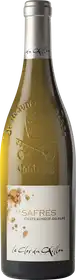
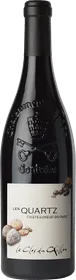
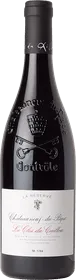
Le Clos du Caillou : Châteauneuf-du-Pape Les Safres Rouges 2024
Pre-arrivals - Stock in France
Let's talk about this product!
A pairing in mind? A question about the vintage? Comparison with another product? Find the answers here...
Description
Characteristics and tasting tips for Clos du Caillou's Châteauneuf-du-Pape "Les Safres Rouges" 2024
Tasting
Colour
The wine displays a brilliant ruby-red colour.
Nose
The nose reveals aromas of wild red berries such as strawberry and cherry, alongside spicy notes of star anise, cardamom, liquorice and thyme.
Palate
Medium-bodied, the palate stands out for its breadth and elegance. Silky tannins support a fine texture, leading to a fresh, lingering finish with hints of blackcurrant and sweet spices.
Food and wine pairing
This red wine pairs beautifully with fine meats and dishes in sauce, such as tournedos Rossini, smoked quail, poultry pot-au-feu or lamb with garrigue herbs.
Serving and cellaring
This Rhône Valley wine will benefit from a few years in the cellar to develop its full complexity, and will be at its best until around 2039.
The subtle expression of a sandy terroir in the Rhône Valley
The estate
Established as a wine estate in 1955, Le Clos du Caillou is located in Courthézon. The property has the unusual distinction of being a Côtes-du-Rhône enclave within the neighbouring cru itself. Now run by Sylvie Vacheron and her children Marilou and Axel, together with oenologist Bruno Gaspard, the estate covers around fifty hectares. Renowned for its terroir-driven approach, it farms its vines organically and biodynamically, producing wines that express all the subtlety of sandy soils.
The vineyard
The grapes come from the Les Bédines lieu-dit, located in the north-east of the Châteauneuf-du-Pape appellation. The vines thrive on soils of sand and safres, a type of compacted sand that gives the wine its characteristic suppleness and delicacy. The vineyard is farmed according to organic and biodynamic principles, thereby encouraging local biodiversity.
Winemaking and ageing
The grapes are harvested by hand, followed by rigorous sorting. The berries are fully destemmed before being co-fermented with indigenous yeasts. Long macerations allow for a gentle extraction. This Rhône Valley wine is then aged for around 14 months in large, old vessels, mainly thirty-year-old foudres and demi-muids, thereby limiting the influence of new oak.
Grape varieties
Grenache (90%), Mourvèdre (10%).