Located on the magnificent island of Islay, the Ardbeg distillery has been an integral part of the Scottish landscape for several centuries. This small piece of land in the south-west of Scotland is renowned for its wild scenery, its wind-battered coastlines and its exceptional peated whiskies. Set on the southern coast of the island, Ardbeg is surrounded by lush green hills, picturesque coves and pebble beaches — a unique geographical setting that gives its whiskies their distinctive character.
From 1815 to the present day: the story of Ardbeg
The beginnings of a legend
The story of the House began in 1815, when John MacDougall founded this family business. From the outset, it enjoyed considerable success thanks to the quality of its whiskies. As the years went by, the distillery grew, navigating the ages with unrivalled expertise.
Revival and success
During the 20th century, the distillery was hit by several crises that threatened its very existence. The 1980s were particularly difficult, with a slump in demand for whisky and increased competition. It temporarily closed its doors in 1981, then again in 1991.
Fortunately, the Ardbeg story did not end there. In 1997, the distillery was taken over by the Glenmorangie group, which set about getting it back on its feet. The investments made and the determination to preserve the time-honoured know-how paid off: the quality of Ardbeg whiskies was once again recognised internationally. Today, it is more than ever a symbol of resilience and a passion for the art of distillation.
What does the word "Ardbeg" mean?
Ardbeg takes its name from the Scottish Gaelic "Àrd Beag", meaning "small height". This name refers to the geographical location of the distillery, perched on a small hill overlooking the sea. This setting provides an idyllic backdrop for the creation of exceptional whiskies and is a reminder of the importance of terroir in the making of these spirits.
The raw materials: origin and quality standards
Barley: a key ingredient
The quality of Scotch whiskies depends largely on the use of top-quality barley. This grain is carefully selected for its starch content, which is essential for fermentation. The barley used comes mainly from Scotland, ensuring impeccable traceability and quality.
Water: a precious resource
The water used to make the whiskies comes from a local source, Loch Uigeadail. This pure, soft spring water is renowned for its quality and mineral richness. It plays an essential role in the production of the whiskies, giving them a unique texture and aromatic profile.
How are Ardbeg whiskies distilled and matured?
Distillation: ancestral know-how
The distillation process for Ardbeg whiskies is the result of centuries-old expertise. The copper stills used are of a distinctive shape, allowing for slow and meticulous distillation. This method preserves the complex aromas of the malted barley and gives rise to whiskies of great finesse.
Maturation: a careful selection of casks
The maturation of the Single Malt Whiskies is ensured by a meticulous choice of casks. The distillery mainly uses American oak casks that previously held bourbon, as well as European oak casks that previously held sherry. This combination produces a rich and varied aromatic palette, which has made the brand famous. Ageing times vary according to the cuvée, ranging from a few years for the youngest editions to several decades for the rarest and most precious.
What is the style of Ardbeg whiskies?
The distillery's style is characterised by a powerful aromatic intensity and great complexity. Peat, the hallmark of Islay whiskies, is particularly prominent in its creations. Aromas of smoke, leather and liquorice mingle with fruity, spicy and chocolatey notes to offer an unforgettable tasting experience.
The texture on the palate is also a distinctive feature. Thanks to the spring water and the House's expertise, these spirits display a smooth, velvety texture that pairs perfectly with the richness of their aromas.
The product range
The House offers a varied range of whiskies that will appeal to enthusiasts of all backgrounds. Here is an overview of the brand's main references:
10 Years Old
This emblematic whisky from the distillery is aged for 10 years in American oak casks. It offers an intense nose of peat and smoke, followed by notes of citrus, vanilla and chocolate. On the palate, the power of the peat is balanced by sweet and spicy flavours.
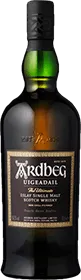
Uigeadail
This whisky takes its name from the water source used by the House. It is matured partly in sherry casks, which give it fruity and spicy notes. The aromas of smoke and peat are still present, but are accompanied by flavours of dried fruit, honey and chocolate.
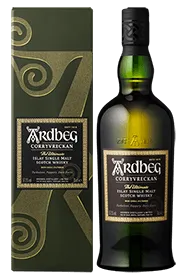
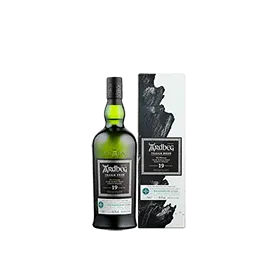
Corryvreckan
Inspired by the famous sea whirlpool located to the north of the island of Islay, this whisky has a powerful, swirling character. Notes of liquorice, pepper and smoke dominate, while aromas of dark fruits and spices round off this intense tasting profile.
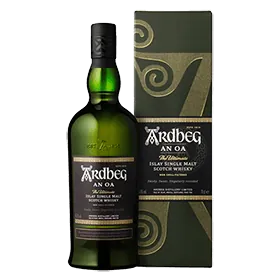
An Oa
This whisky takes its name from the An Oa peninsula, near the distillery. It is matured in a blend of American oak, sherry and Pedro Ximénez casks. Its aromatic profile is softer and rounder than that of the brand's other expressions, with notes of caramel, vanilla and exotic fruits.
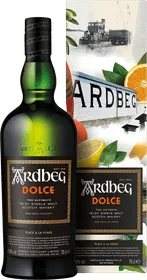
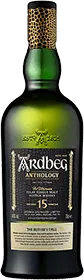
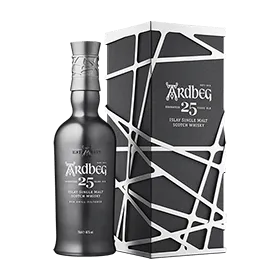
In addition to these flagship references, the House also offers limited editions and special bottlings that will delight collectors and lovers of rare whiskies.
Ardbeg is a true jewel of Scottish heritage. Its history, its know-how and the quality of its whiskies make it an essential brand for spirits enthusiasts.