Assistant


 Guaranteed provenanceDirect from the estates
 DeliveryFree standard delivery from $1,000 purchase
- DeliveryFree standard delivery from $350 purchase
 Secure PaymentVisa, American Express, Mastercard...
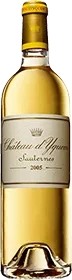
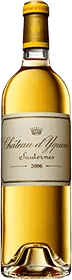
Château d'Yquem 1970

Out of stock
Would you wish to know when this product is back in stock?
Let's talk about this product!
A pairing in mind? A question about the vintage? Comparison with another product? Find the answers here...
Description
Tasting Characteristics and Advice for Château d'Yquem 1970
Tasting
Colour
This white wine reveals a deep golden hue, enhanced by delicate amber and coppery glints that bear witness to its long evolution.
Nose
The aromatic bouquet proves remarkably complex, blending scents of candied fruit such as apricot with notes of honey and caramel. Subtle touches of spice and noble mushrooms, reminiscent of chanterelles, bring a refined earthy dimension.
Palate
Full-bodied and rich, the palate offers an incredibly silky texture. The sweetness is perfectly balanced by a lively, refreshing acidity, revealing flavours of fresh pineapple and exotic spices. The finish lingers for several long minutes.
Food and Wine Pairing
This great wine pairs wonderfully with pan-seared foie gras or foie gras terrine, accompanied by a fruit chutney. It also enhances noble shellfish such as scallops or lobster served with a creamy sauce. On the cheese side, a well-aged blue cheese such as Roquefort will create a remarkable contrast. Finally, it will ideally accompany desserts made with roasted or caramelised fruit.
Serving and Cellaring
To fully appreciate Château d'Yquem 1970, it is recommended to serve it at a temperature of around 12°C. Having reached full maturity, this vintage offers an optimal tasting window until around 2025.
The Timeless Elegance of Château d'Yquem, Jewel of Sauternes
The Estate
Located in France, in the Bordeaux region, Château d'Yquem boasts a fascinating history. Although the land has been cultivated since the Middle Ages, the true creation of the wine estate dates back to 1711, when the Sauvage family acquired full ownership. Elevated to the unique rank of Premier Cru Supérieur in the 1855 classification, this legendary estate embodies absolute excellence. Now owned by the LVMH group, the château upholds exceptional expertise and an uncompromising production philosophy, crafting wines of unrivalled longevity.
The Vineyard
Rising on the highest hill of the Sauternes appellation, the vineyard spans a mosaic of soils composed of gravel, clay, sand and limestone. This exceptional terroir benefits from the influence of the Ciron river, whose autumn morning mists encourage the development of noble rot, essential for these great sweet wines. The vines are cultivated with rare rigour, favouring manual labour and extremely low yields to ensure maximum concentration in the grapes.
Winemaking and Ageing
The making of Château d'Yquem 1970 relies on meticulous hand-harvesting, carried out over several successive passes to select only perfectly botrytised grapes. In the cellar, the grapes undergo several slow pressings to extract the richest juices. Fermentation takes place using indigenous yeasts, followed by an extended ageing period of around 36 months in entirely new French oak barrels, allowing the wine to develop its full structure and aromatic complexity.
Grape Varieties
This wine is made from a blend of Sémillon (approximately 80%) and Sauvignon Blanc (approximately 20%).